Vibe Code Studio
01 · Live
DvYnT Studio · Web + iOS + Android · Music · Book · Ecom · Film
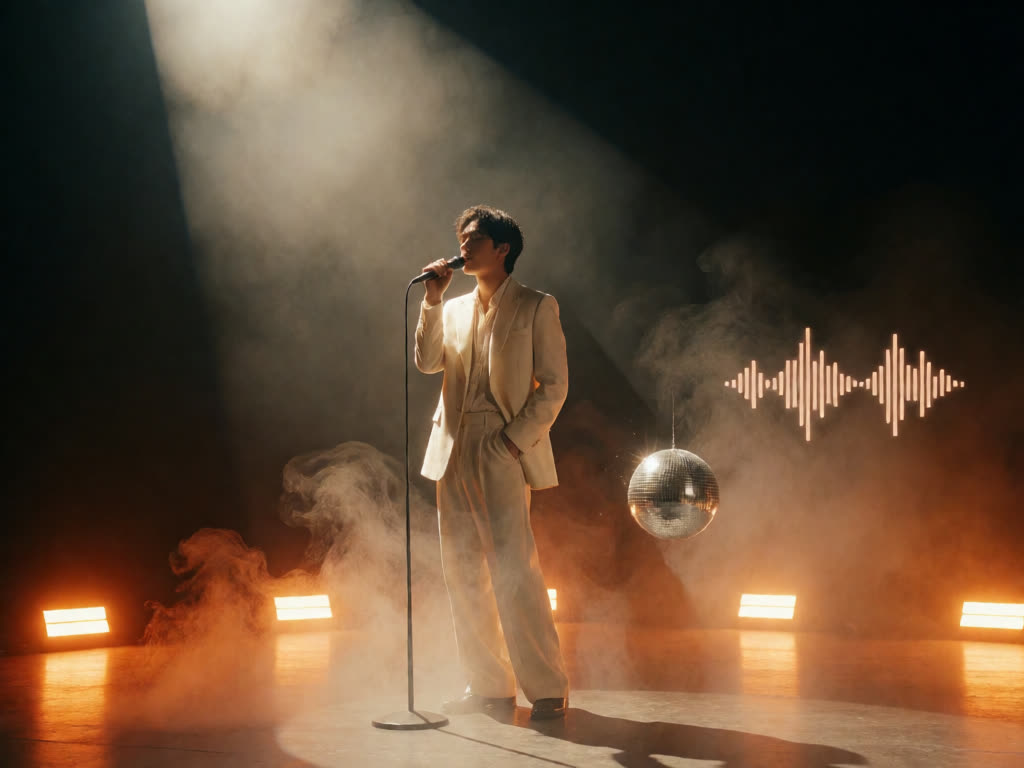
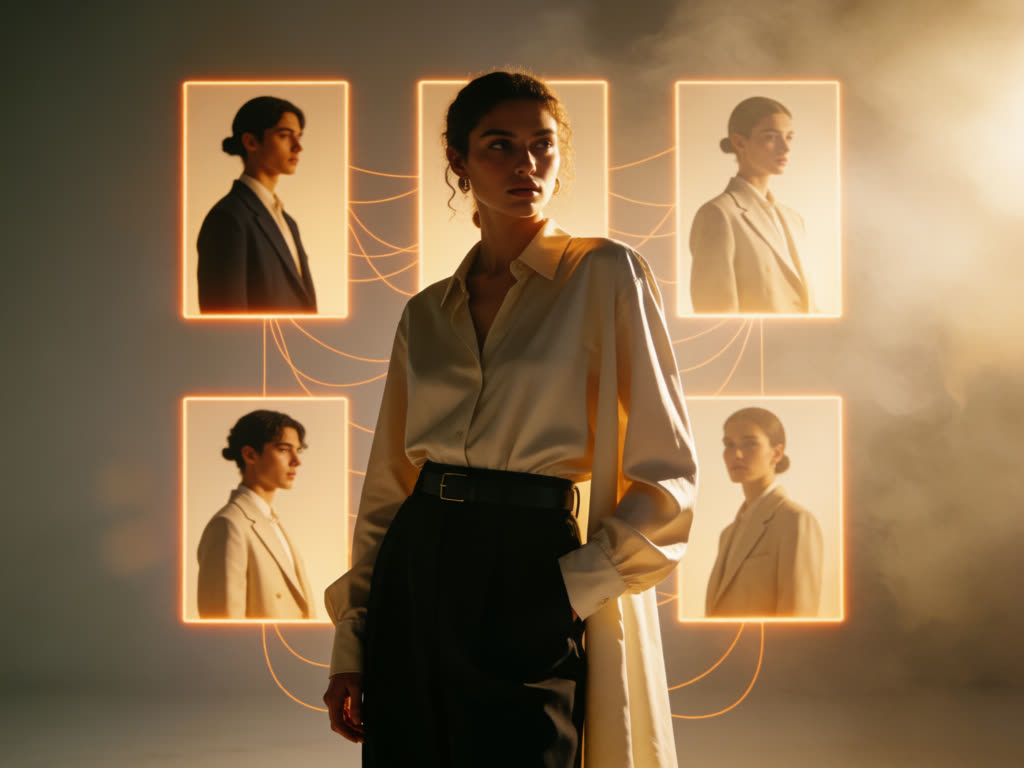
The generation stacks, shipped as a product other people can hold. DvYnT Studio is a live AI creation app — running at create.dvynt.com plus native iOS and Android builds — where a user brings their own generation key and spins up AI personas, images and full content packs. One engine forks into vertical generators (music, book, ecom, film), each a self-contained pack builder. Built cloud-only so the consumer app never touches the private farm, on a bring-your-own-key model that keeps compute off my books and the license, not the GPU bill, in the box.
What I'm learning
- Bring-your-own-key turns "who pays for compute" from a business risk into the user's own choice — the app ships a license, not a GPU bill.
- One engine that forks into verticals (music, book, ecom, film) beats four separate apps — the hard, reusable part is the shared core, not the skins.
- Capacitor gets one codebase to web, iOS and Android, but the store-review surface (auth, purchases, content policy) is where the real work actually lives.
- Cloud-only by design keeps the consumer app fully decoupled from the private farm — the two never share a failure mode.
- A persona's identity has to survive export — the studio is only as good as how consistent a character stays once it leaves the app.
- A free tier that does something real (image-only, no training) converts better than a locked demo that only teases.
- "Generated by" on every output is honest disclosure and free distribution at the same time.